The Challenge
Historic mills were built for industry, not modern family life. Years of alterations had created awkward layouts, unsafe circulation and spaces that no longer reflected the quality of the original building. Modern additions also obscured important historic features and diminished the character of the mill.
Rather than returning the building to a single moment in history, O2i Design first sought to understand how it had evolved over five centuries. That understanding shaped every decision, helping identify which later alterations deserved to remain and which no longer contributed to the building.
Throughout the project, the team carefully respected the mill’s Grade II* listed status and protected the surviving evidence of its working past.
The Design
O2i Design based every proposal on a detailed understanding of the building’s history and development. The design restored the clarity of the original spaces while making the house work better for modern family life. The team removed unsympathetic alterations where appropriate, including an enclosed staircase that had compromised the entrance hall. A new staircase created safe access to the cellar and restored the original proportions of the space.
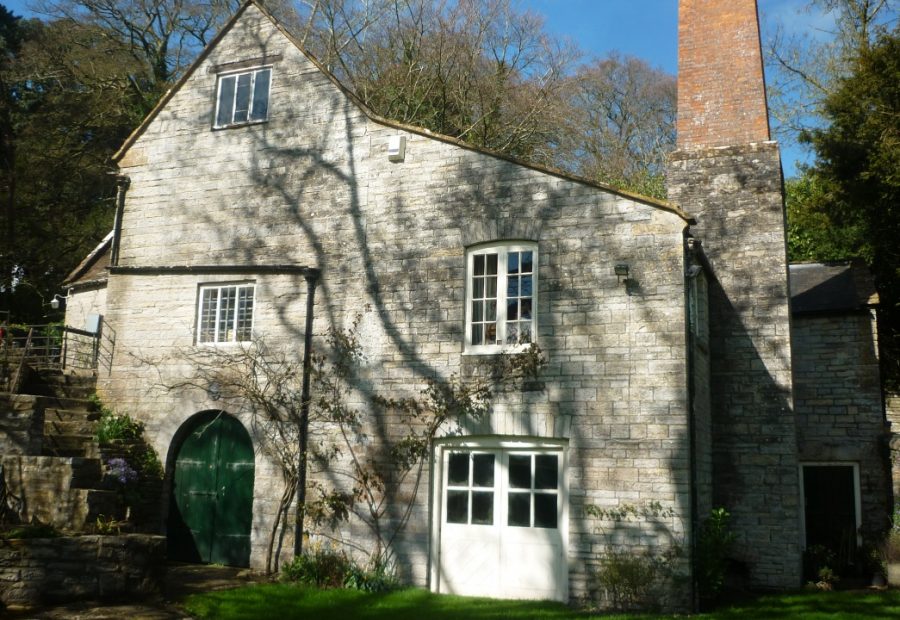
Elsewhere, O2i Design gave redundant areas a new purpose. The team converted a little-used garage into an accessible ground-floor guest suite, improved bedroom layouts and carefully adapted rooms associated with the original mill machinery. Historic hoisting equipment remained in place and continued to form an important part of the building’s story.
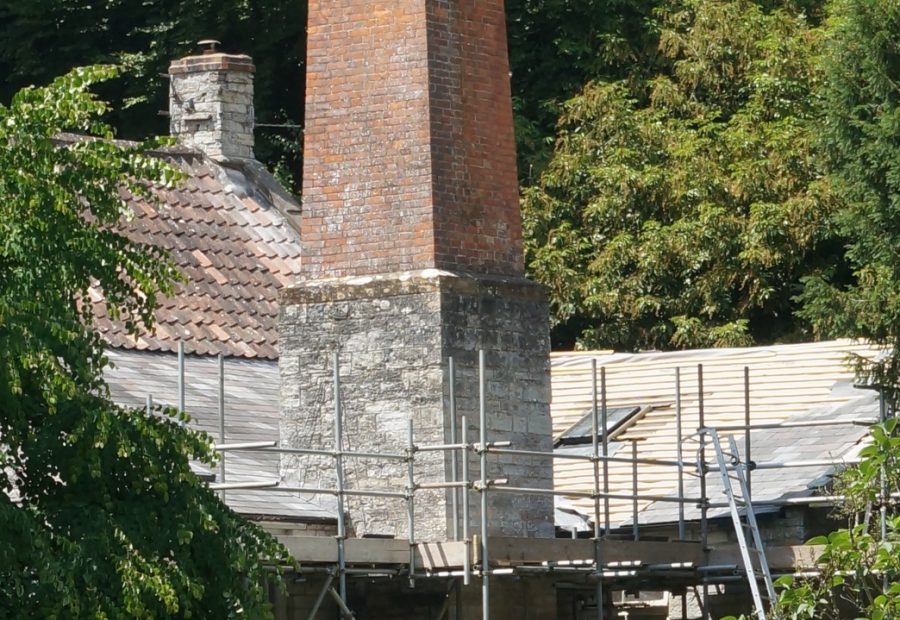
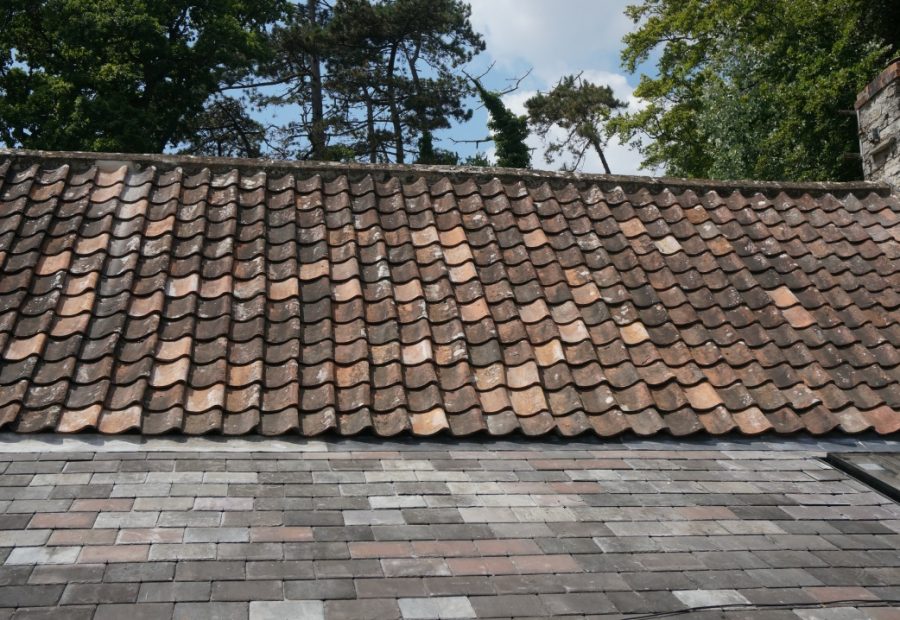
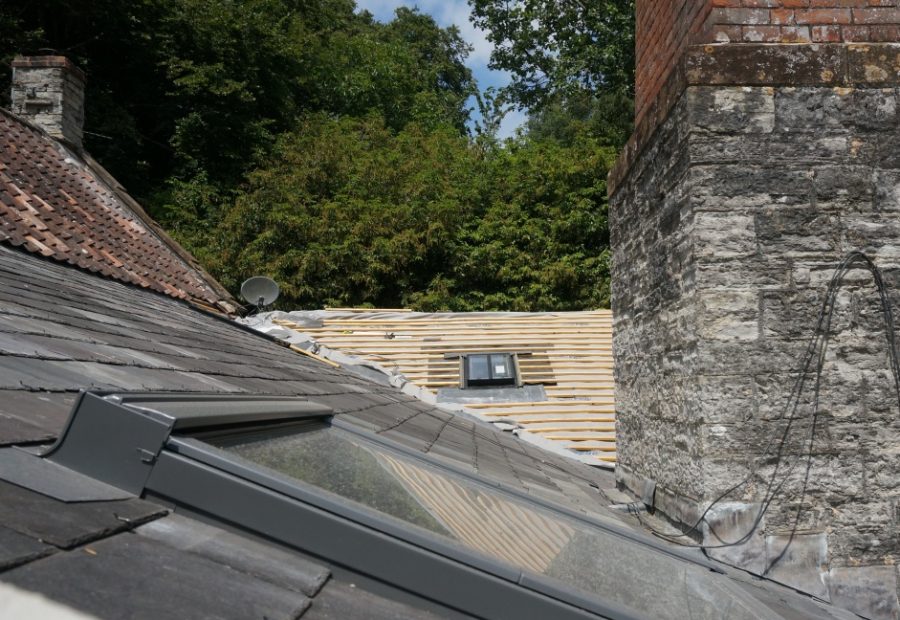
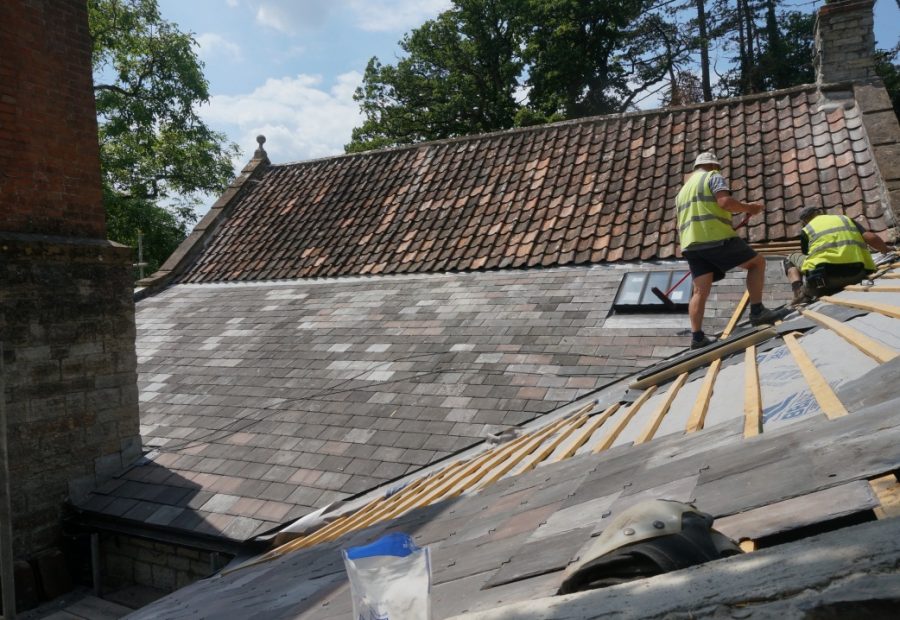
The design also improved the building’s thermal performance. New insulation increased energy efficiency without damaging historic fabric or disturbing protected bat roosts, following ecological advice and recognised conservation best practice. Every decision followed one guiding principle: improve the building for modern living while respecting more than 500 years of history.
The Outcome
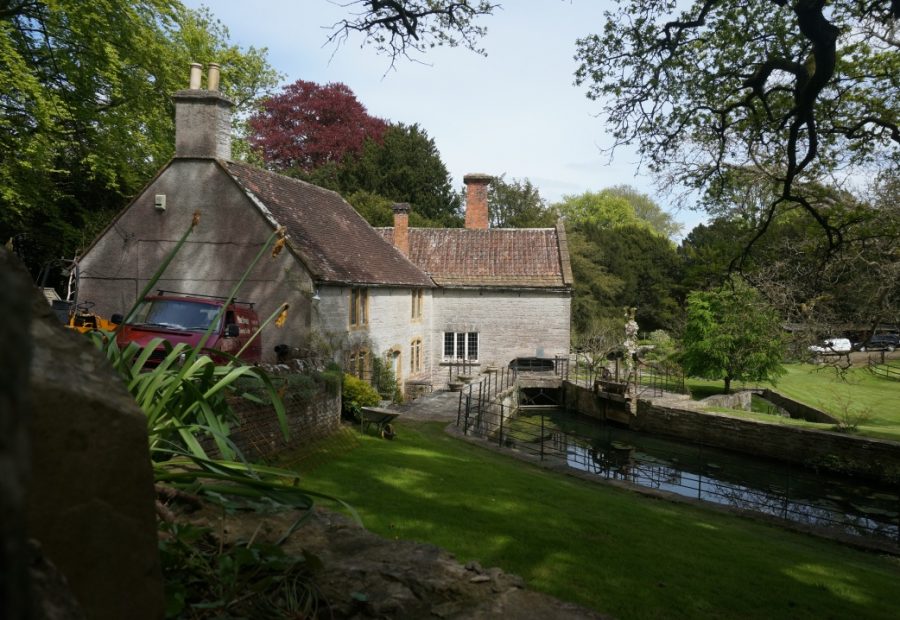
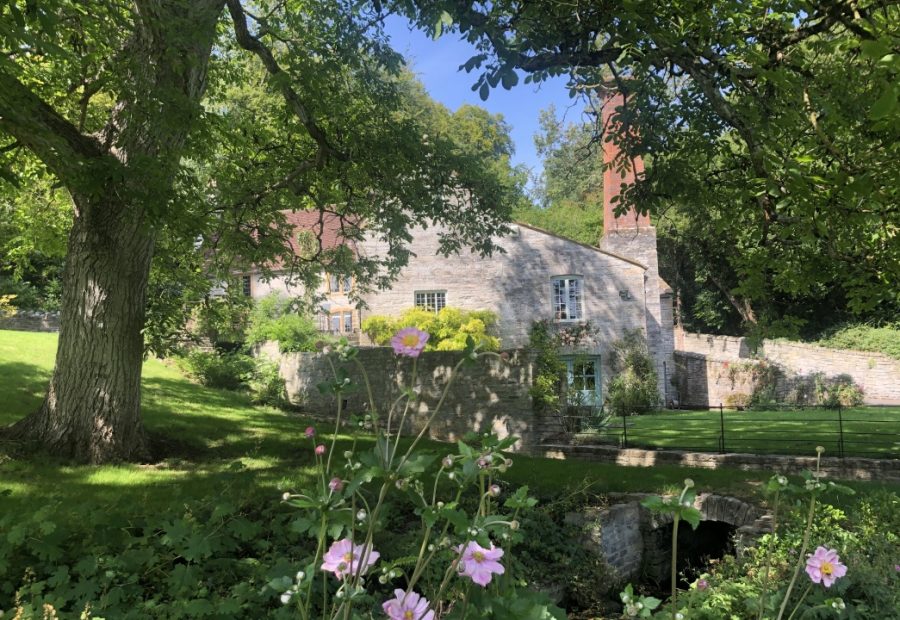
The project transformed a series of fragmented twentieth-century alterations into a coherent and practical family home while preserving the qualities that make Old Somerton Mill so significant.
Rather than recreating an earlier version of the building, O2i Design celebrated its evolution. Historic machinery, original spaces and surviving architectural features continue to tell the story of centuries of milling, while carefully considered alterations allow the building to function comfortably as a modern home. The project demonstrates that successful conservation often depends as much on removing poor alterations as introducing new ones. The quality of the work earned recognition as a Finalist in the South West Regional LABC Building Excellence Awards 2020.
What We Learned
Historic buildings rarely remain unchanged. Their significance often lies not only in their original construction but in the story of how they have adapted over generations. This project demonstrated that successful conservation begins with understanding that history. By carefully removing unsympathetic alterations, retaining important historic features and making thoughtful improvements where necessary, it was possible to reveal the true character of the mill while preparing it for the future.
Some of the be st conservation work is almost invisible. It allows historic buildings to continue evolving without losing the qualities that make them special.
To see more examples of renovated Somerset Water Mills – please take a look here.